TIME SHAPED BY HAND
The Heritage Collection
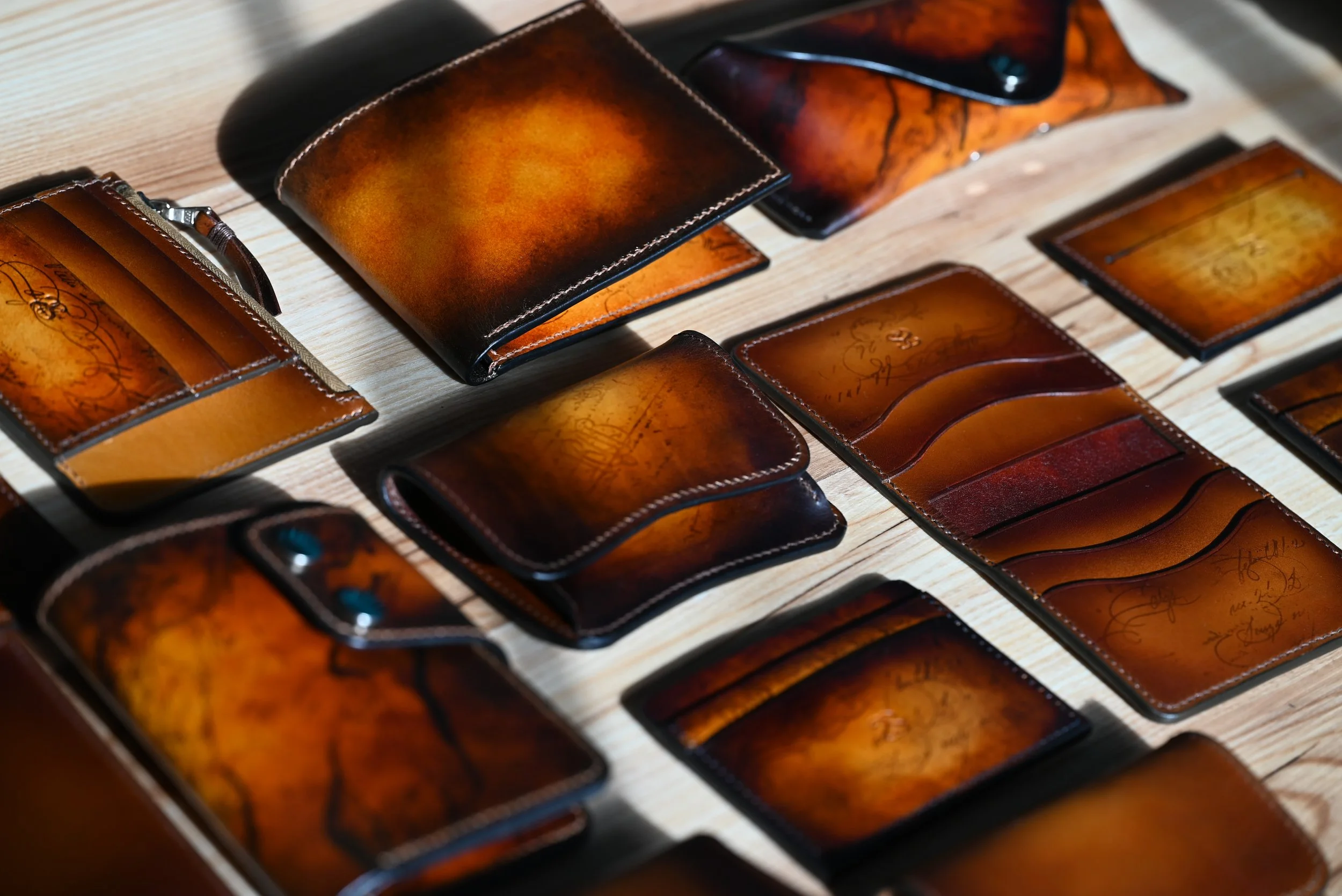
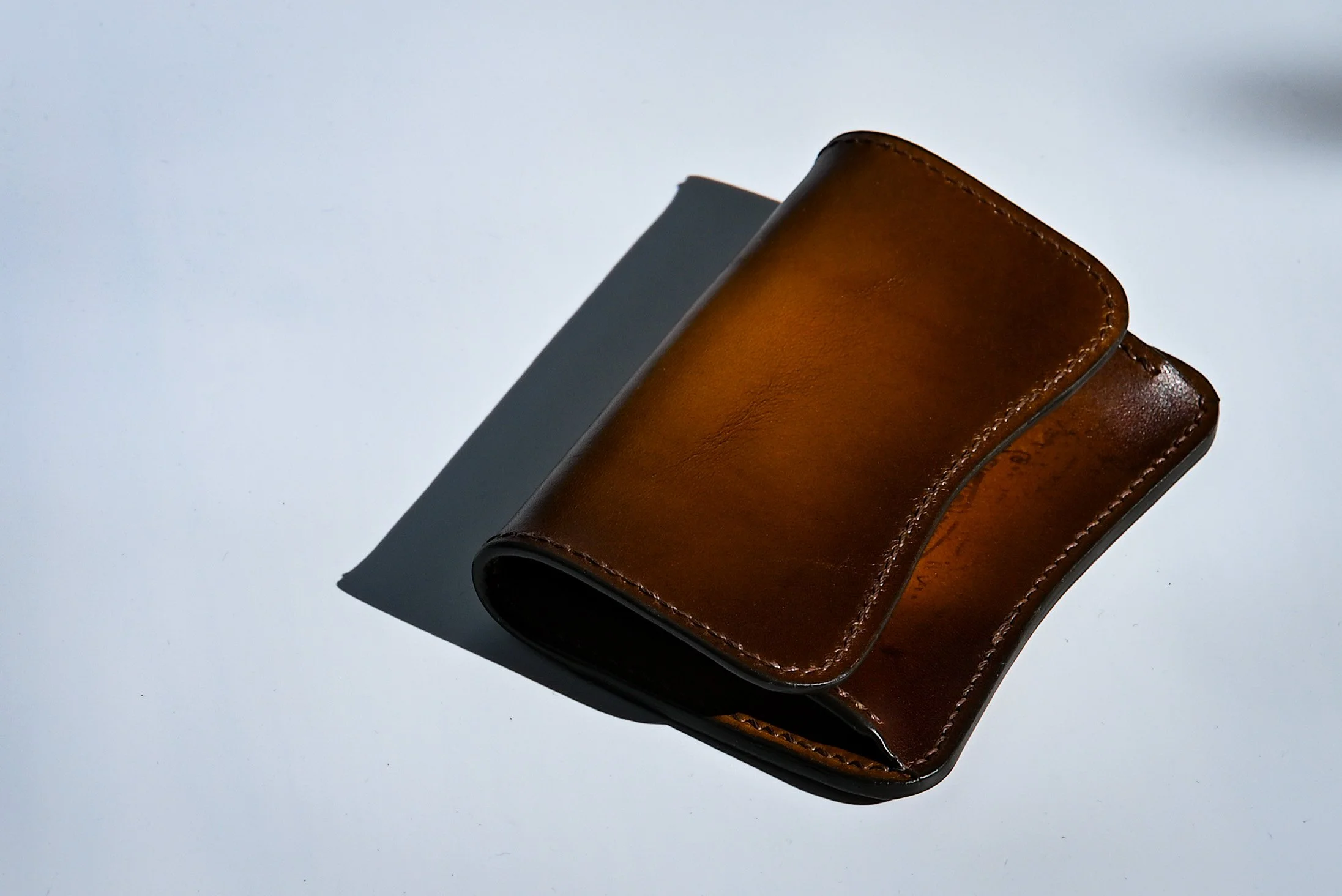
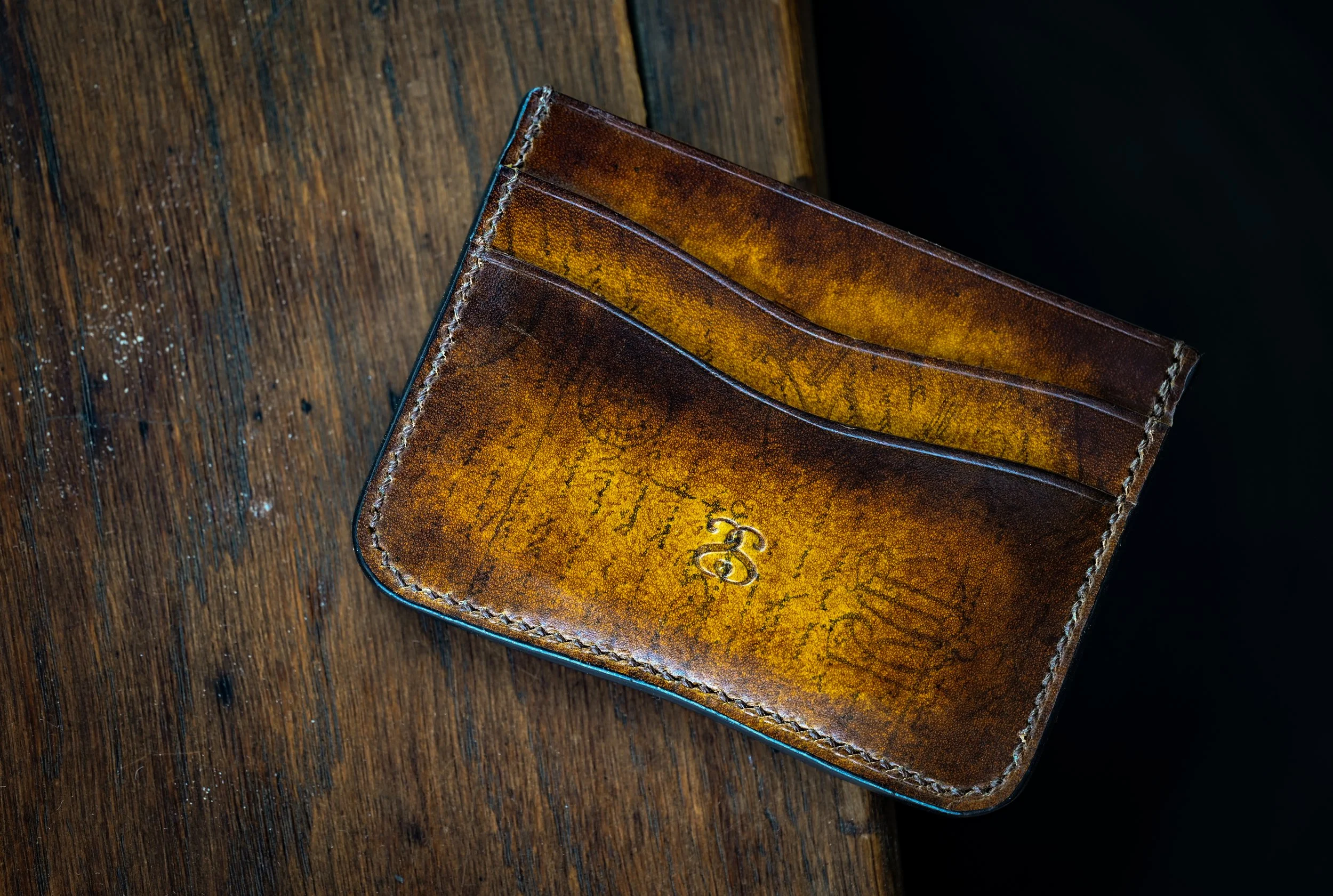
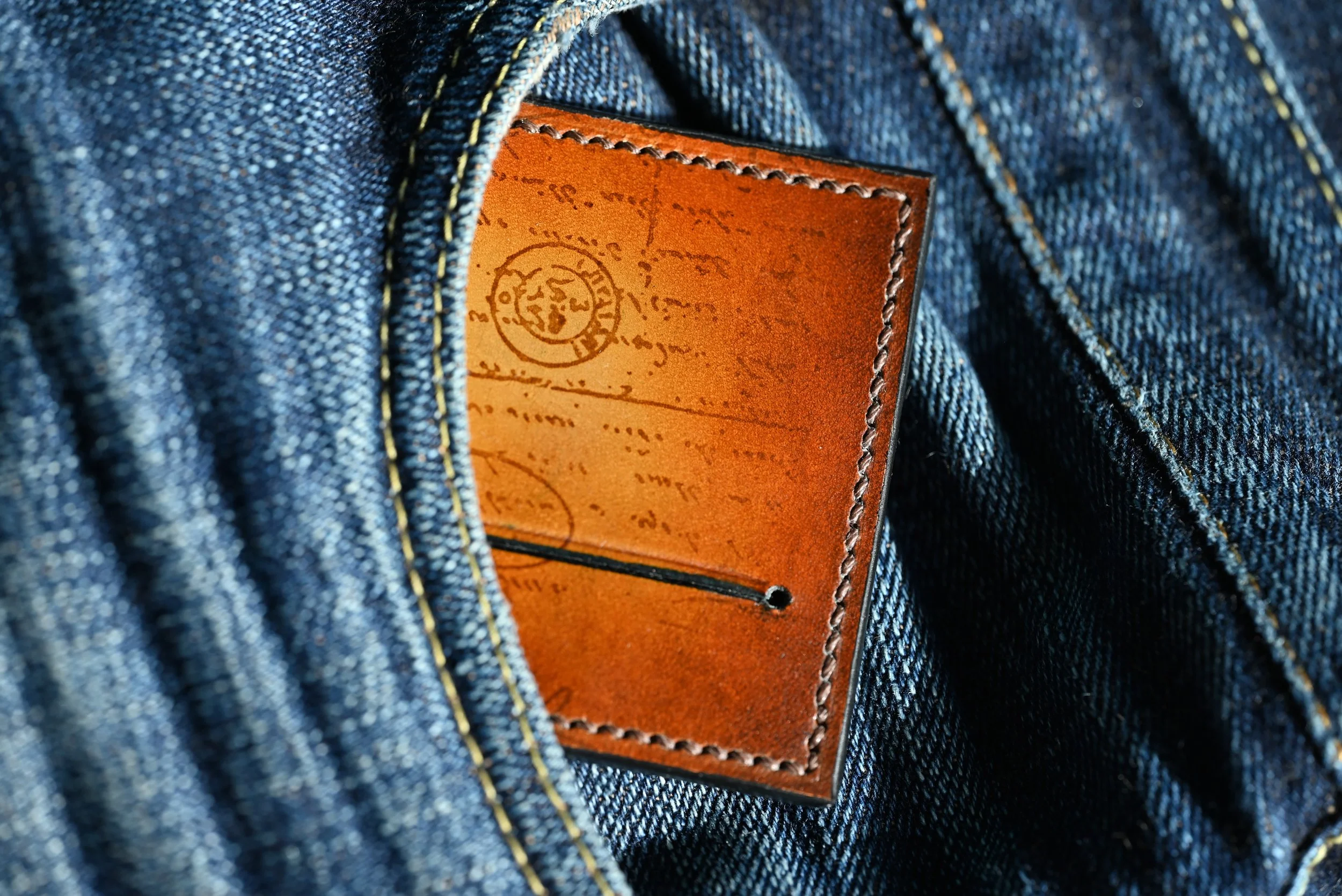
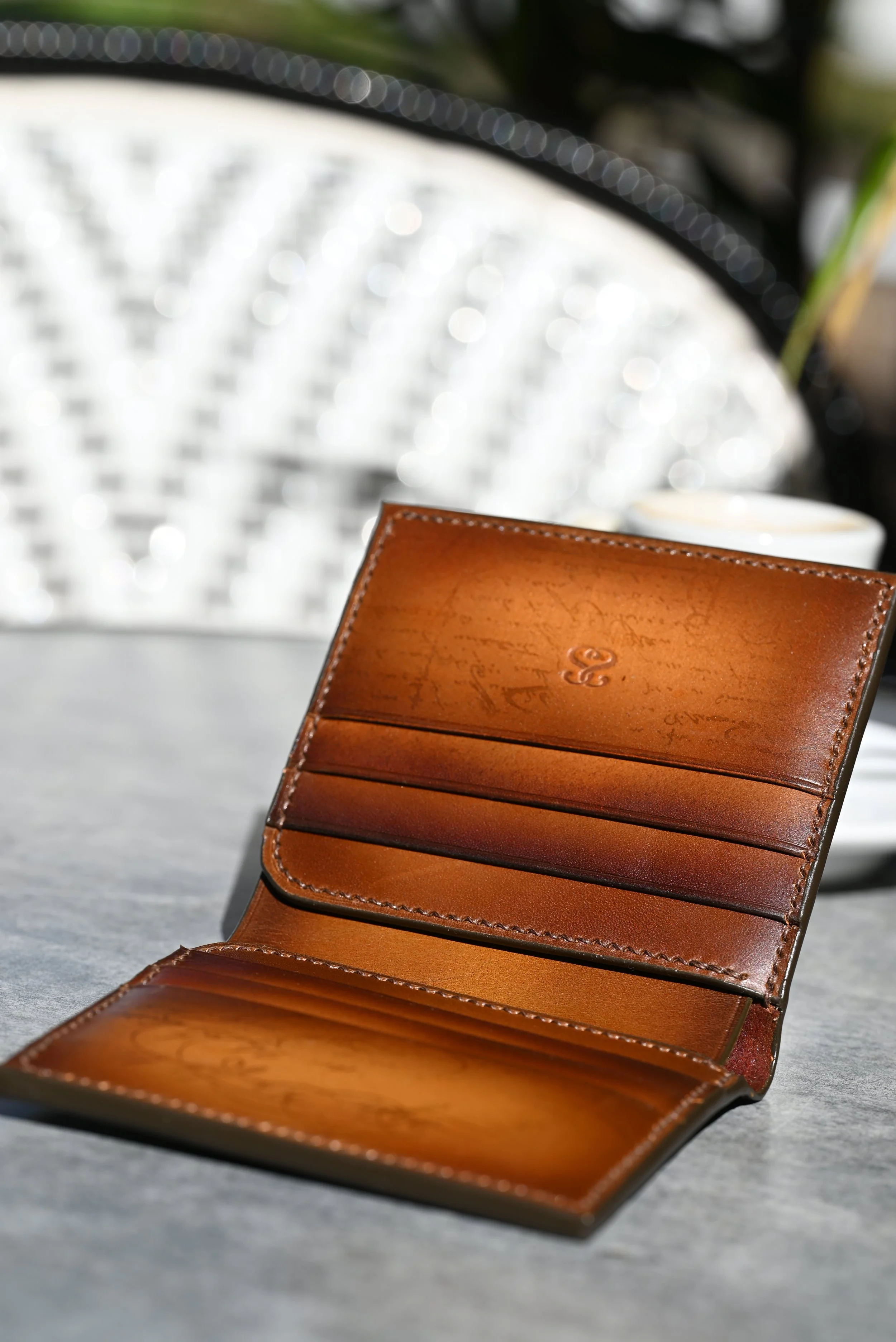
Each piece in this collection features a unique patina, offering the elegance of aged leather with a distinct character.
The Art of Patina
The goal isn't perfection; it's the emotion evoked by hand-patinated leather.
It requires a high level of experience, subject matter expertise, and a genuine artistic sensibility.
I create each patina using carefully selected pigments on vegetable-tanned leather to ensure a vibrant and long-lasting finish.
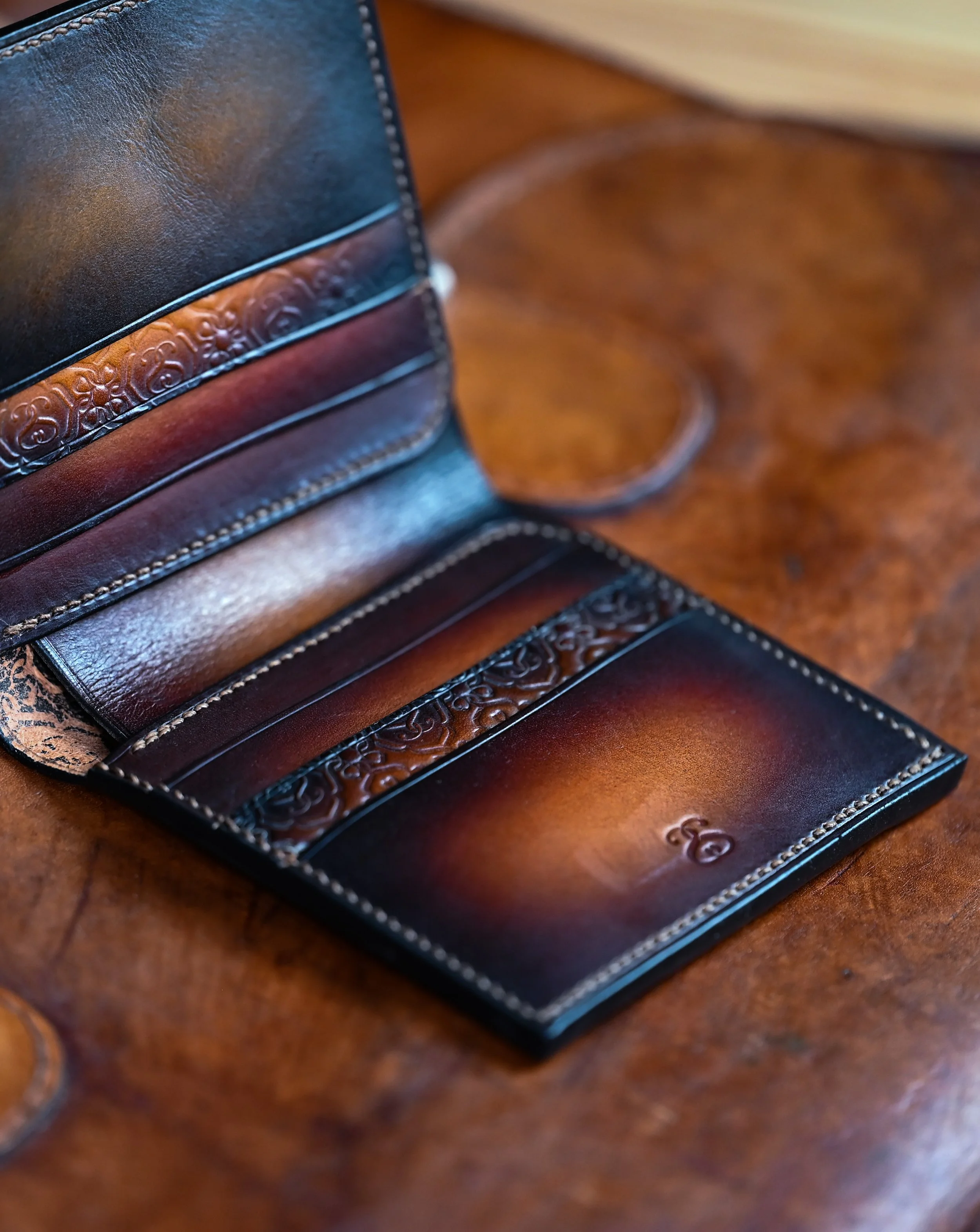
The idea is to layer the elements, carefully balancing the shades and playing with transparency, shadows, and light.
The secret behind my patinas
The patina is part of the magic of leather. It tells not only the leather’s story but also that of the person wearing it.
I treat the patina as a true hallmark of craftsmanship, but it’s important to remember that even without human intervention, leather already has a natural ability to change over time.
My traditional patina technique
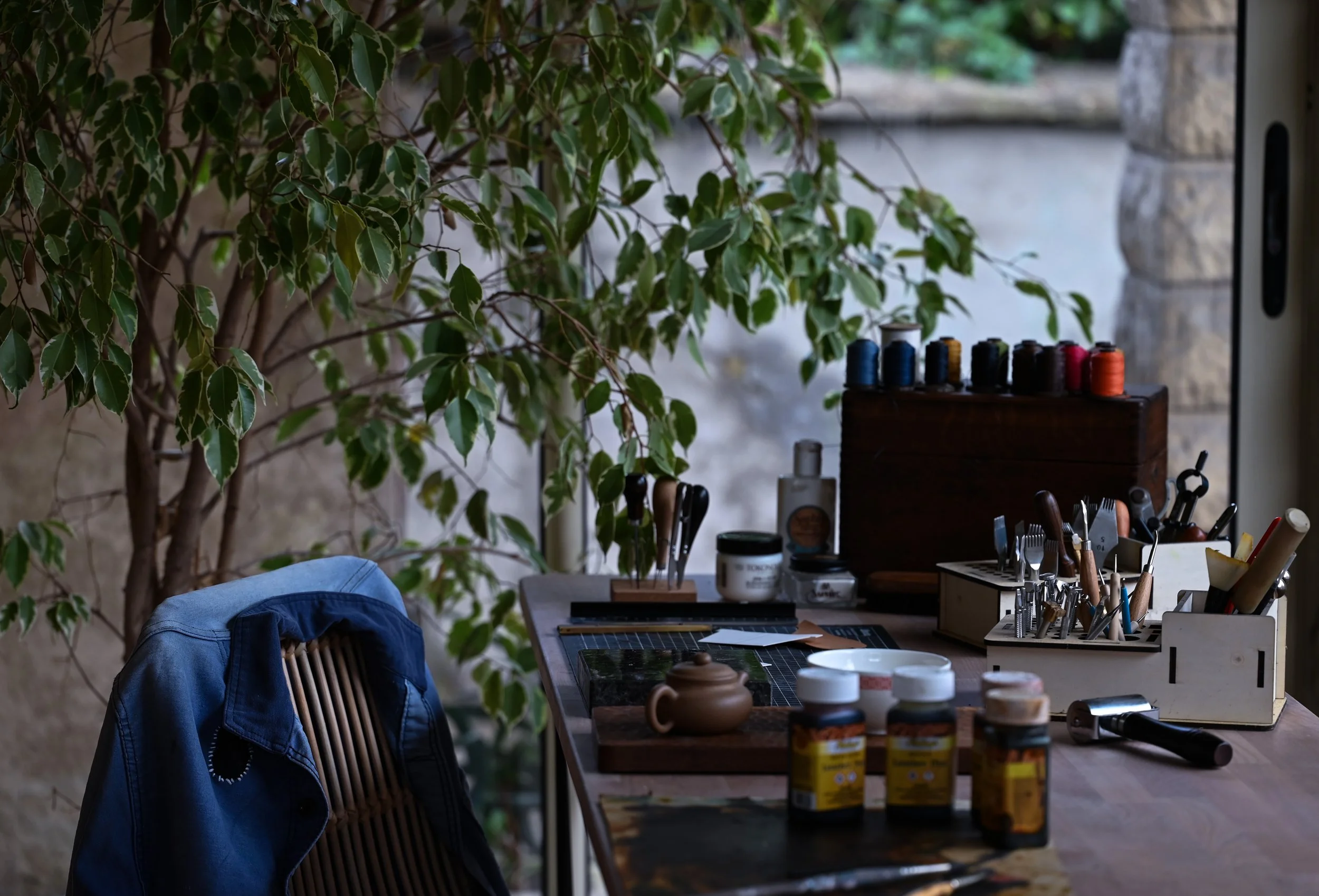
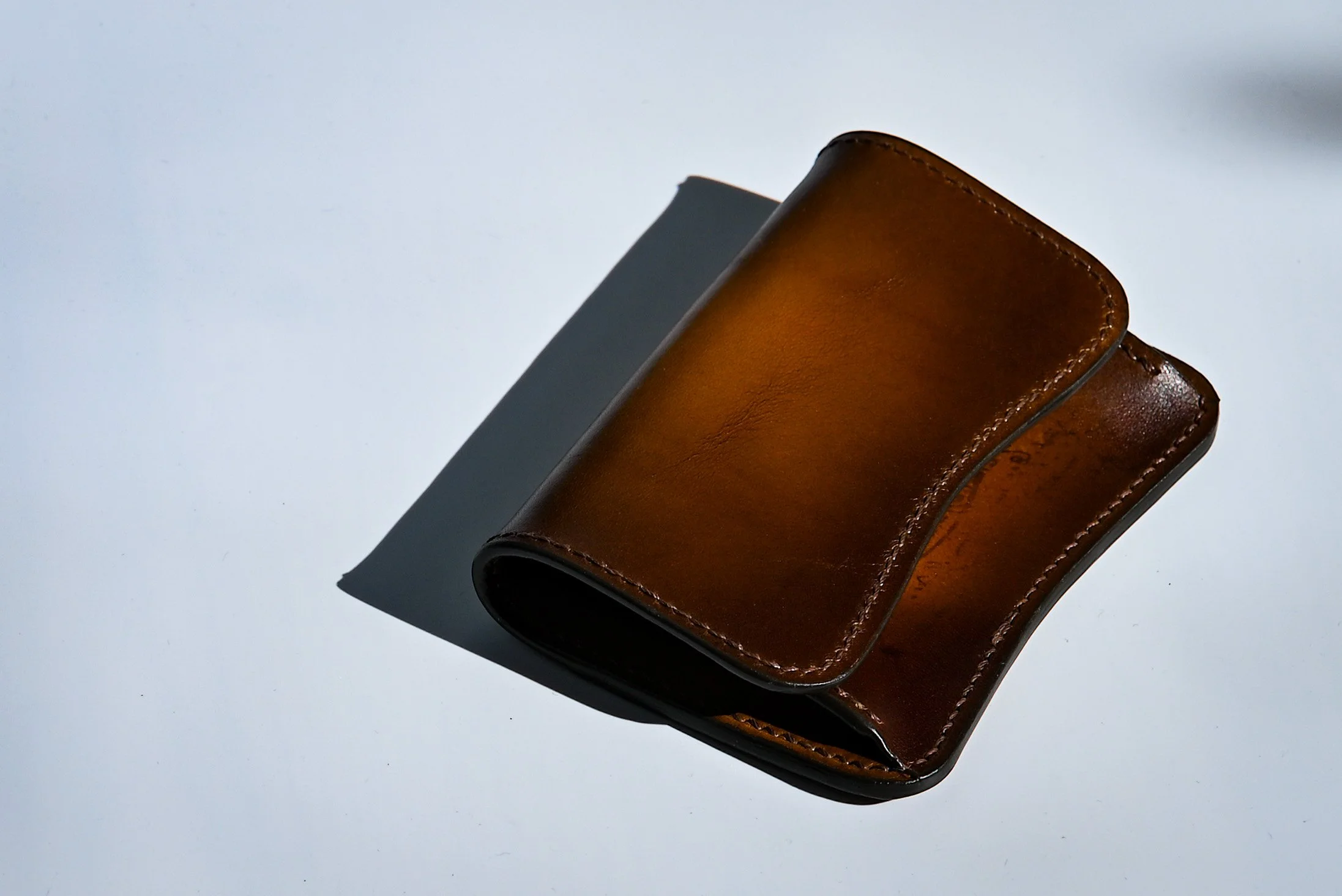
Taking inspiration from the natural patina of objects (metal, wood, leather, stone, etc.), I have developed my own artisanal patina technique in my studio.
It involves transforming raw leather—light in color and uniform in texture—into a piece rich in nuance and depth.
By applying thin layers of dye to the leather, we can achieve shades that are impossible to obtain through industrial dyeing.
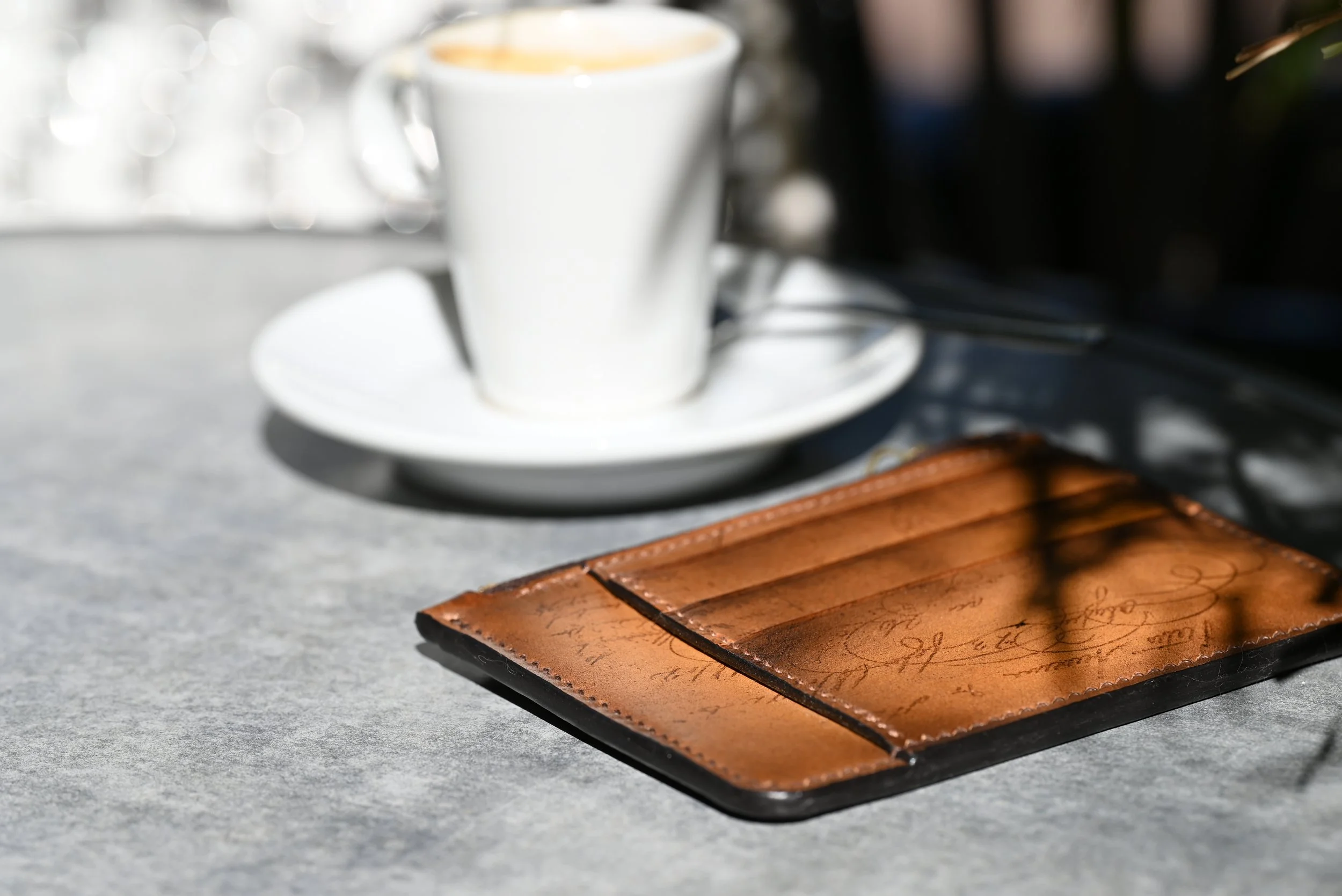
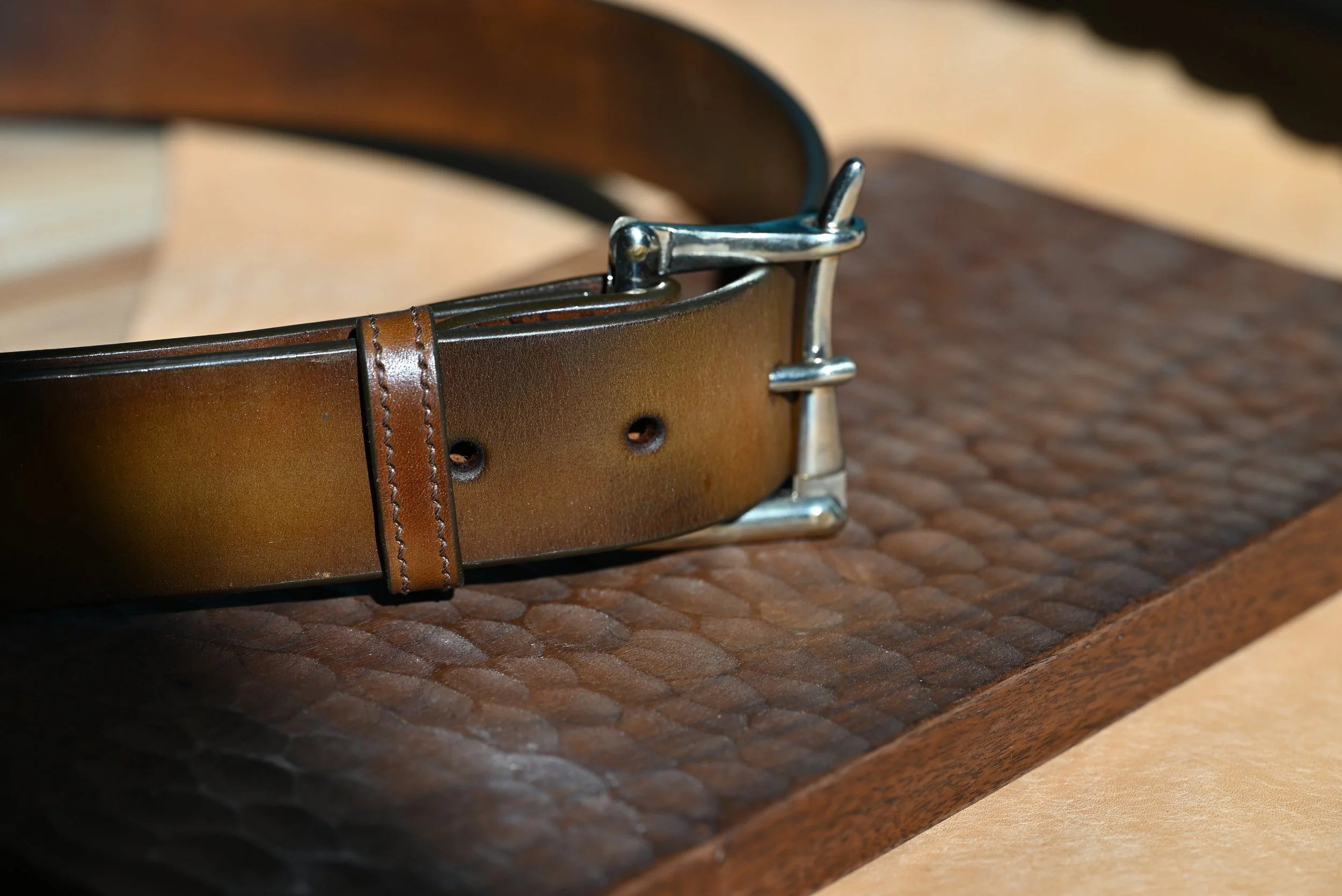
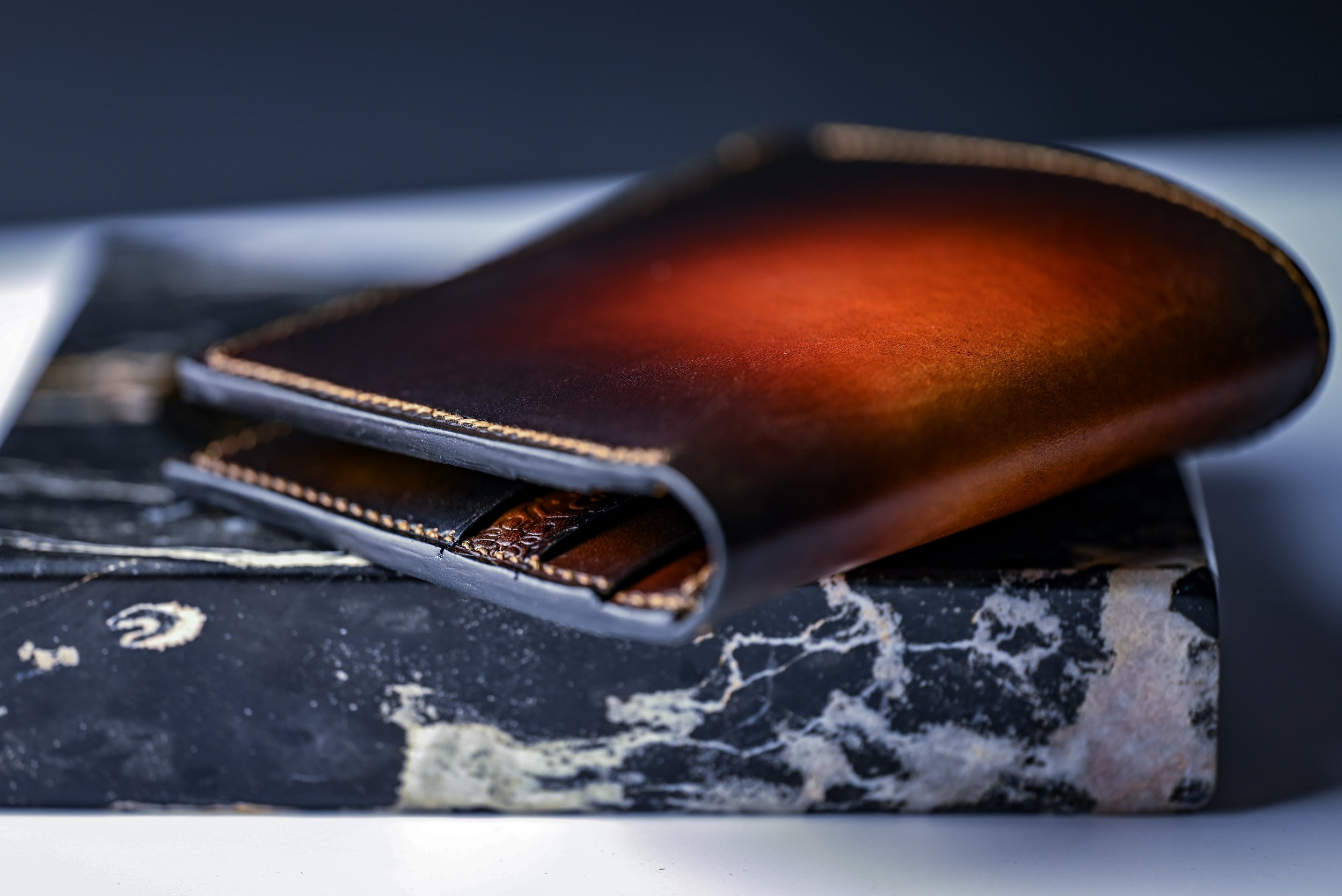
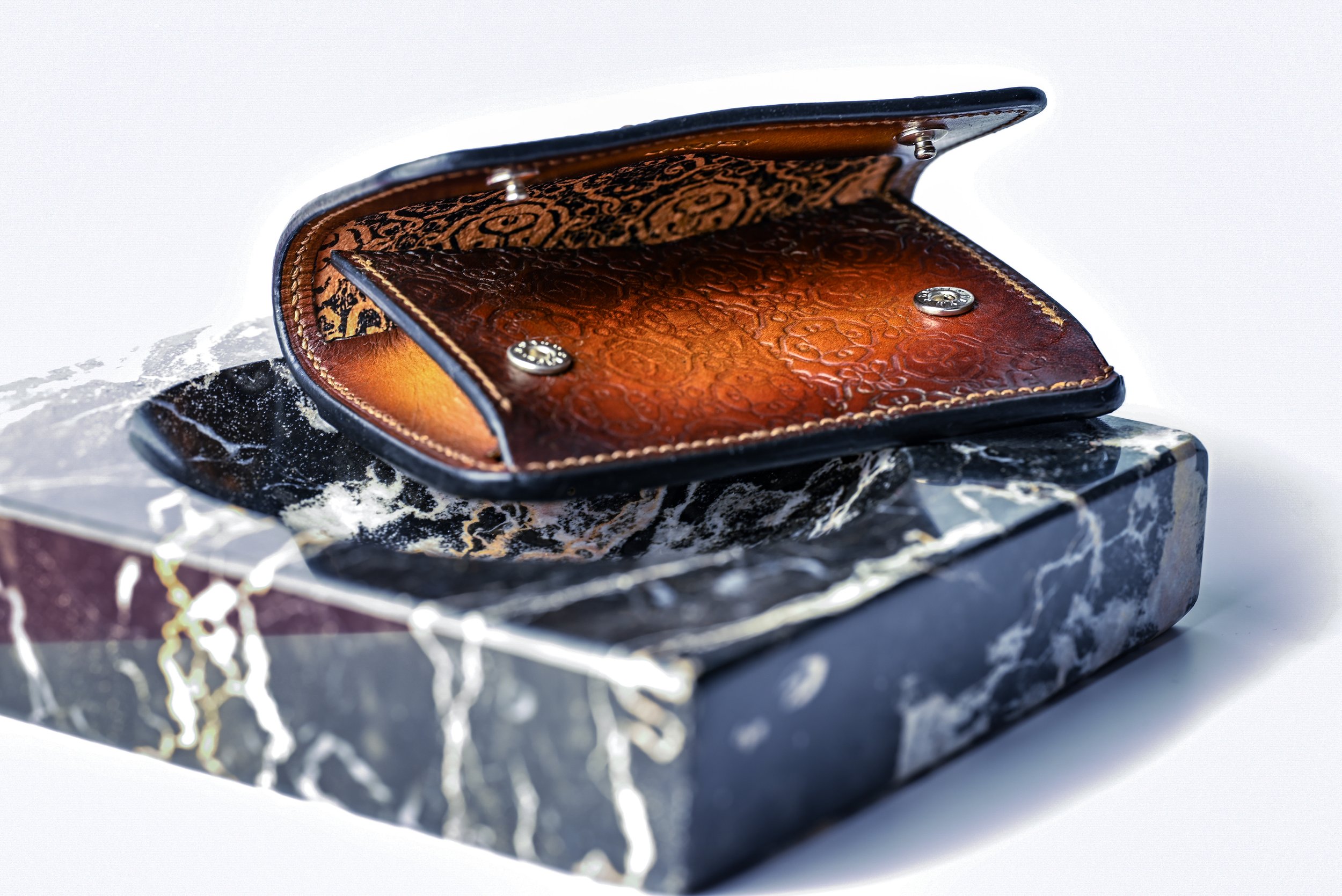
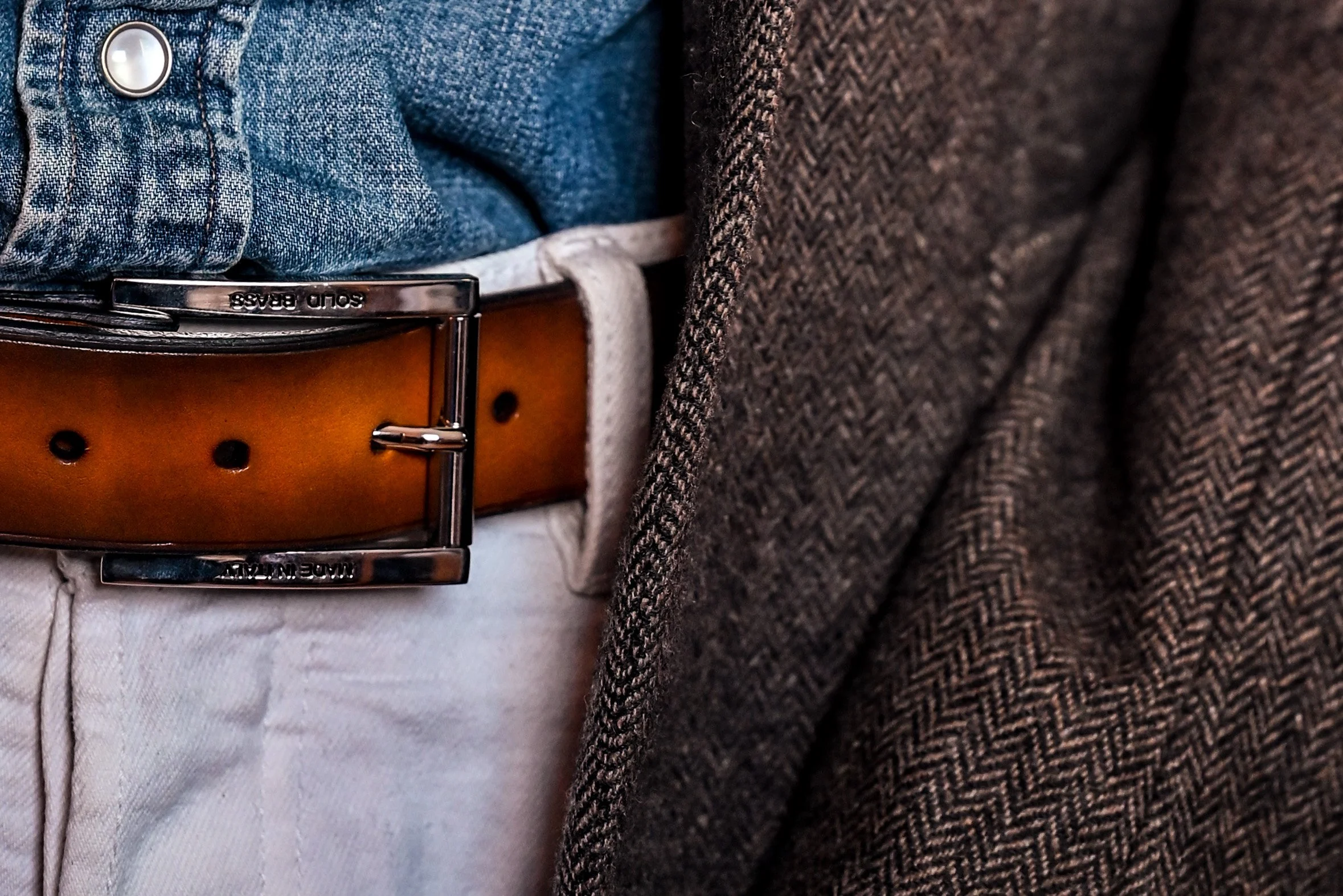
Visit the gallery to see my creations:
A meticulous process involving several steps:
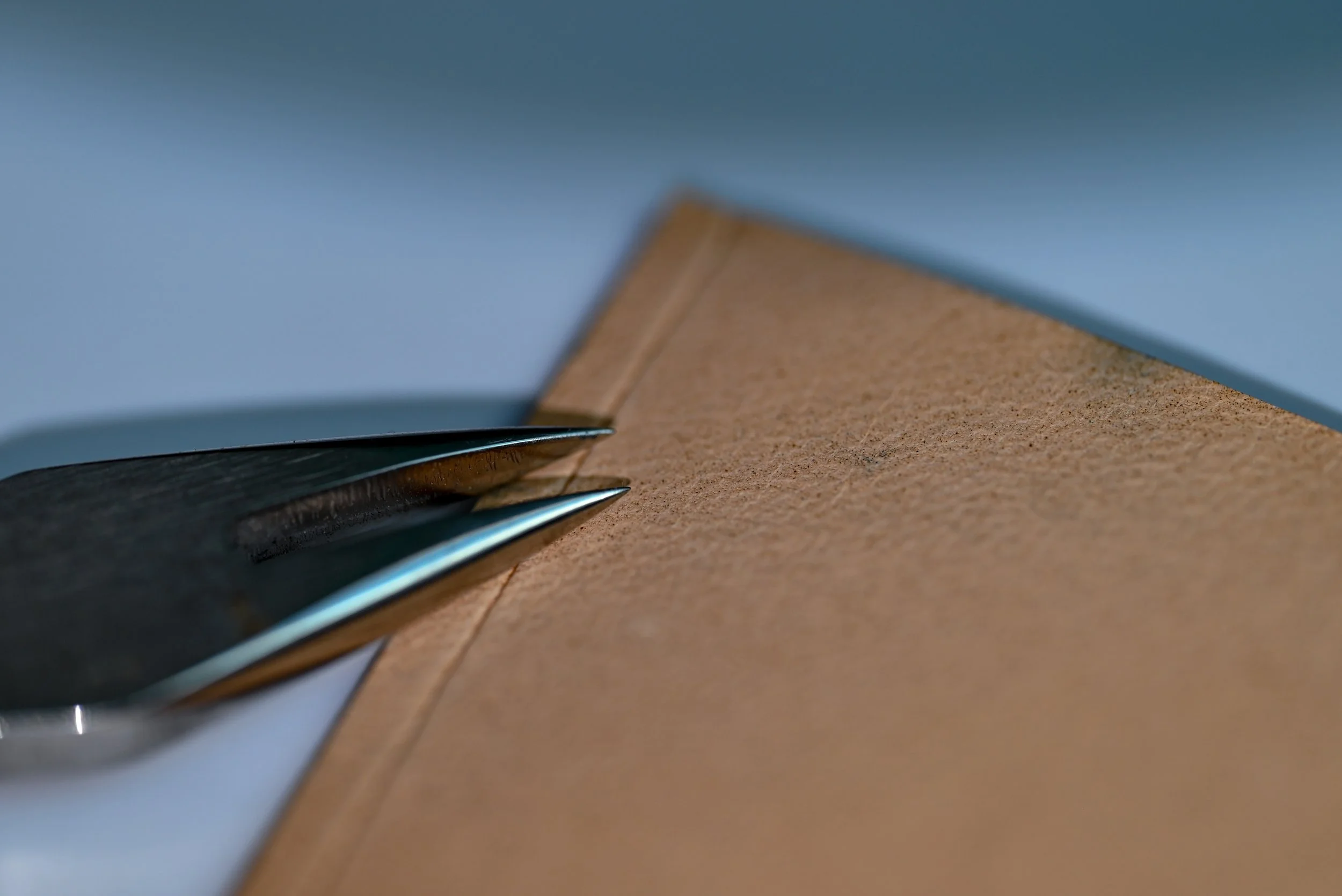
1. Prepare the leather
Before applying any dye, I start by thoroughly cleaning the leather.
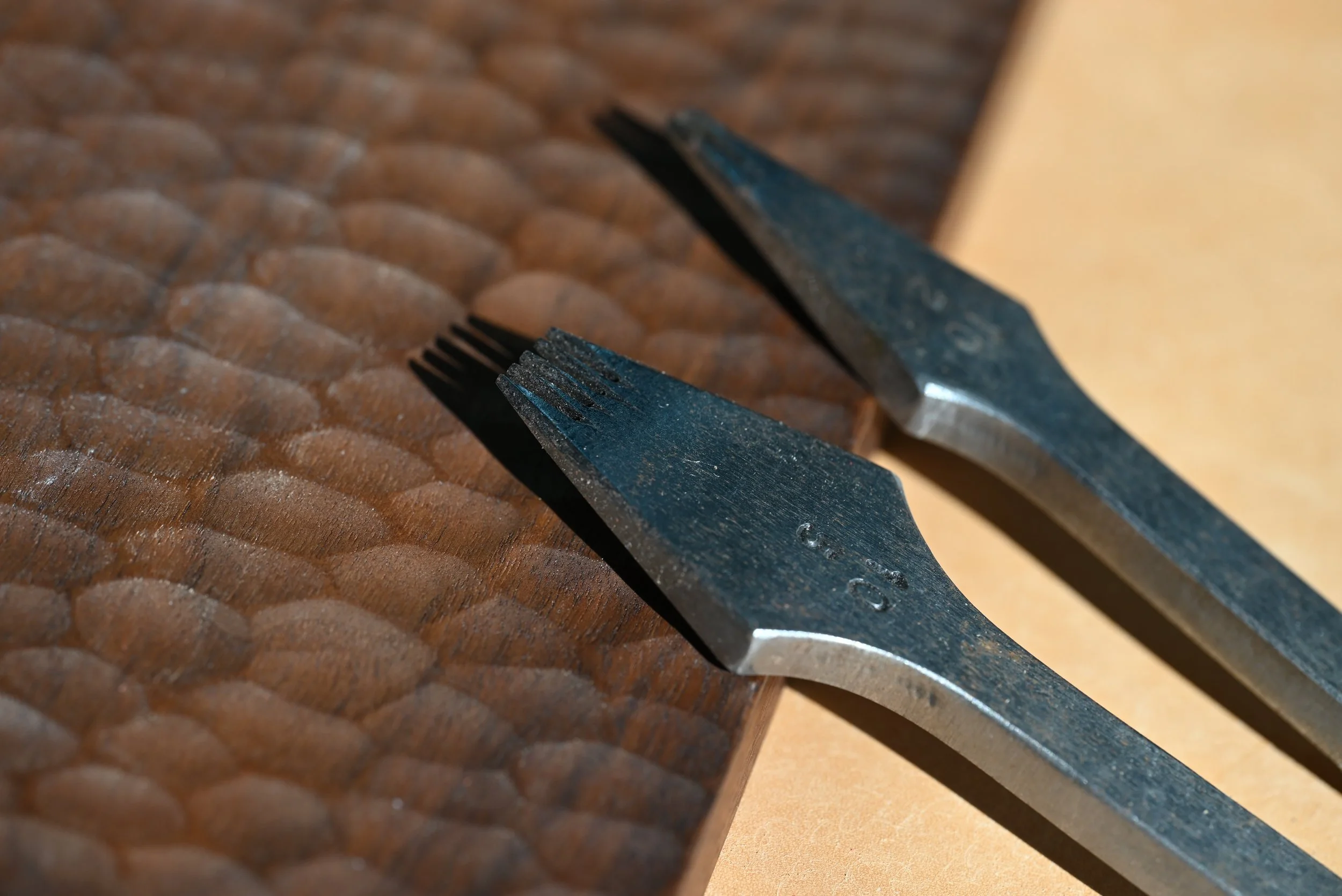
2. Choose the equipment
I select the dyes that match the desired shades, and sometimes I create my own blends to achieve the perfect shade.
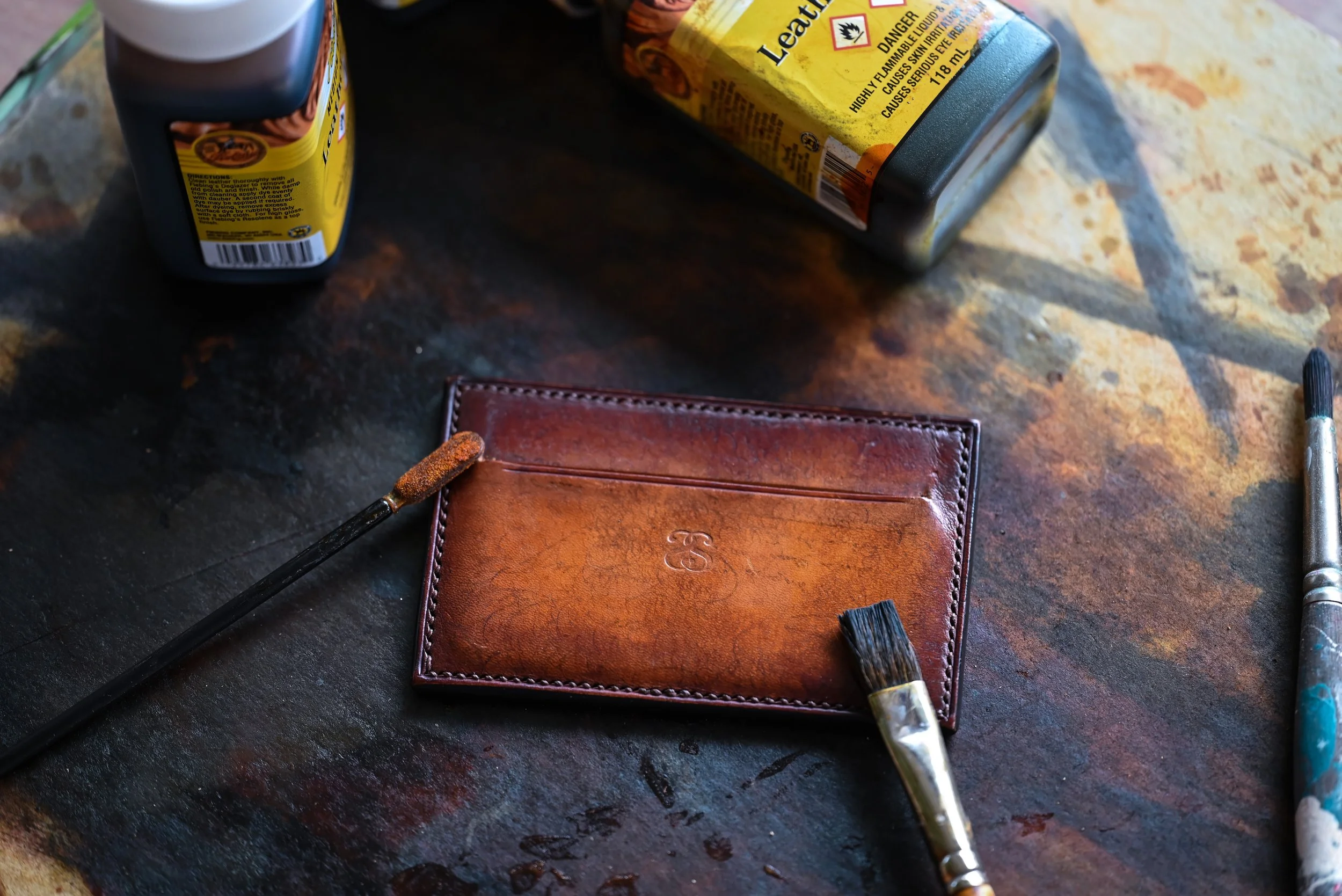
3/ Apply the coats of stain
The patina is built up in successive layers: I apply the dye, let it dry, and then apply another layer. Each layer adds depth to the color and creates beautiful shades.
4/ Set and develop the colors
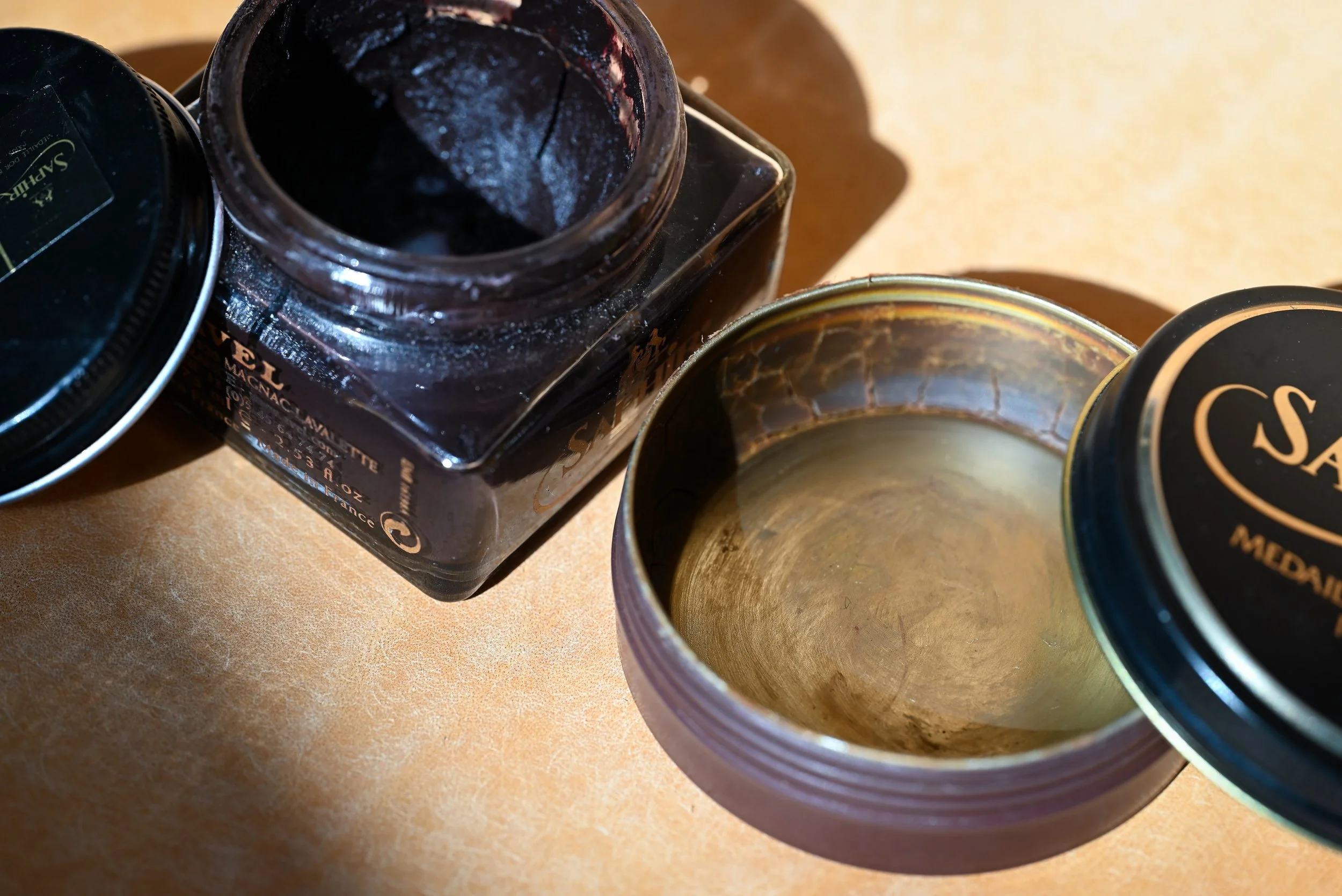
I then apply a special topcoat to set the colors.
5/ Nourish and add shine
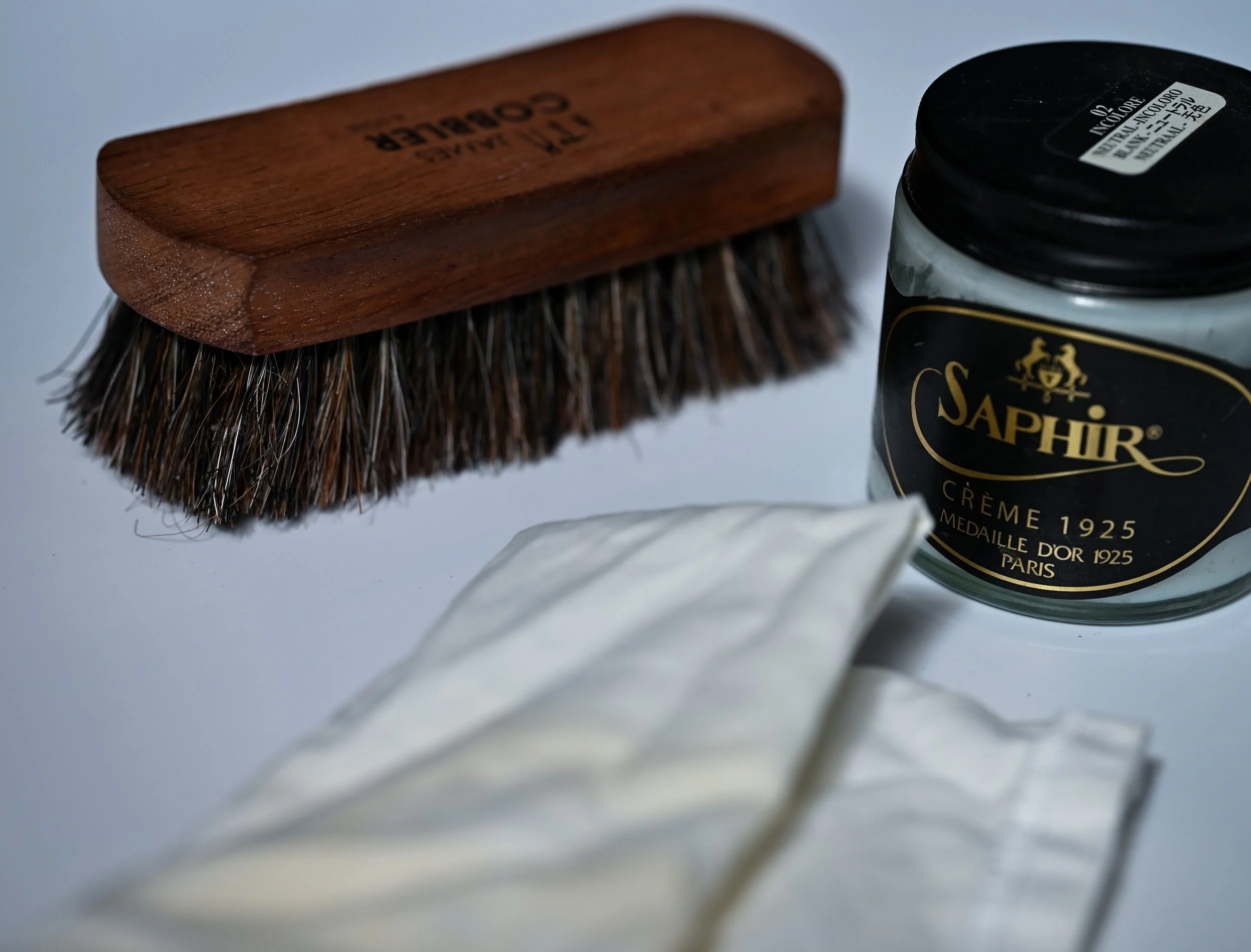
Finally, I apply a nourishing balm thoroughly to the leather, restoring its suppleness and vitality.